
August 29, 2026 · 6 min read
From Kure Harbor to the Surrender Deck: The Combat History of TBM-3 Avenger N7226C
Accepted into service on March 29, 1945, this Avenger attacked Japanese warships at Kure Harbor, flew over the USS Missouri during the surrender ceremony, and dropped relief supplies to POWs — one of the most documented combat histories of any flying warbird.
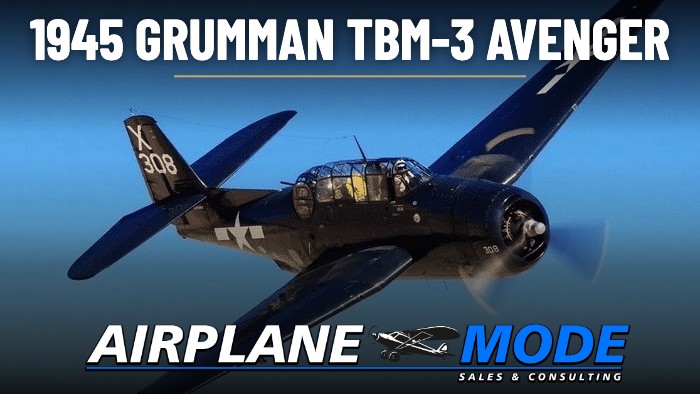
Most warbirds flying today served quietly, if they served at all. Trainers, transports, stateside patrol aircraft — honorable work, but rarely the kind of history that stops you in your tracks. The 1945 Grumman TBM-3 Avenger registered N7226C, Bureau Number 85838, is the opposite kind of airplane. Its wartime record is documented, specific, and extraordinary: combat strikes against the remnants of the Imperial Japanese Navy, a front-row seat at the surrender of Japan, and humanitarian missions to Allied prisoners of war.
Into Service at the Eleventh Hour
BuNo 85838 was accepted into U.S. Navy service on March 29, 1945, as the Pacific war entered its final, most intense phase. The TBM-3 was the definitive wartime Avenger: Eastern Aircraft's production of Grumman's torpedo bomber design, powered by the Wright R-2600 Cyclone, and the aircraft type that had turned the tide at Midway and harried the Japanese fleet across the Pacific ever since.
The aircraft was assigned to Torpedo Squadron 86 — VT-86 — and coded "308" on the cowling. It would not have to wait long for its first taste of combat.
Kure Harbor: Attacking the Fleet at Anchor
By the summer of 1945, the surviving capital ships of the Imperial Japanese Navy had withdrawn to Kure Harbor near Hiroshima, camouflaged and ringed by some of the densest anti-aircraft defenses in Japan. In July 1945, American carrier aircraft went in after them.
Flying from the carrier, BuNo 85838 was piloted by Lieutenant Harry Badgerow in attacks on Japanese naval vessels in and around Kure Harbor. The strikes were devastating. This aircraft participated in the attacks that sank the destroyer Nashi and damaged the cruiser Oyodo — a one-time fleet flagship — as it lay at anchor. Attacking defended warships at masthead and dive-bombing altitudes, through walls of flak, was among the most dangerous flying of the entire war. This Avenger did it, and came home.
Over the Missouri: Witness to the Surrender
On September 2, 1945, representatives of the Empire of Japan signed the instrument of surrender on the deck of the battleship USS Missouri in Tokyo Bay. Above the ceremony, the United States staged one of the most powerful demonstrations of air power ever assembled — a massive flyover of carrier aircraft and bombers stretching over the bay.
BuNo 85838 was part of it. This Avenger flew over the USS Missouri during the surrender ceremony, an eyewitness — and participant — at the exact moment the Second World War ended. Very few aircraft still flying today can say the same.
Relief Missions to the POWs
The war was over, but the Avenger's work was not. Allied prisoners of war were scattered in camps across Japan, many in desperate condition. In the days following the surrender, carrier aircraft were pressed into a new kind of mission: mercy.
BuNo 85838 flew relief supply missions, dropping food, medicine, and supplies to Allied POWs held at Nagoya Castle. For men who had waited years for liberation, the sound of Avengers overhead meant survival. It is difficult to imagine a more fitting final chapter to a combat career.
Restoration by Airpower Unlimited
Decades later, the aircraft was restored by Airpower Unlimited, a shop known for exacting, historically faithful warbird restorations. The result is a TBM-3 that honors its history rather than merely referencing it — a genuine combat veteran returned to the air in the markings and condition worthy of its record.
The Aircraft Today
Warbirds with a single documented combat mission are rare. N7226C carries a documented record that spans the decisive naval strikes of July 1945, the surrender ceremony over the Missouri, and the POW relief missions that followed. It is, in every meaningful sense, a flying primary source.
Airplane Mode Sales & Consulting is honored to represent this aircraft. Full records and documentation are available to qualified buyers — call us and we will walk you through its remarkable history in detail.